
Tank vs. Tankless Water Heaters
A Complete Guide for Canadian Homeowners
Choosing between a traditional storage tank water heater and a high-efficiency tankless system is one of the most important decisions a homeowner can make. Each technology offers clear advantages, and the right choice depends on your home size, hot water habits, climate, and budget. This guide provides a clear, Canadian-specific comparison to help you select the system that fits your needs best.
Quick Comparison Chart
| Key Consideration | Best Option | Reason |
| Family size and back-to-back showers | Tankless | Continuous hot water supply |
| Lower upfront cost | Tank | More affordable purchase and installation |
| Long-term energy savings | Tankless | Only heats water when it’s required |
| Limited installation space | Tankless | Wall-mounted design |
| Cold climates or unheated spaces | Tank | More predictable performance |
| Fastest installation | Tank | Typically a direct, straight-forward replacement |
| Rebate availability | Tankless | More available for tankless models vs. standard tank-type water heaters |
Benefits of Storage Tank Water Heaters
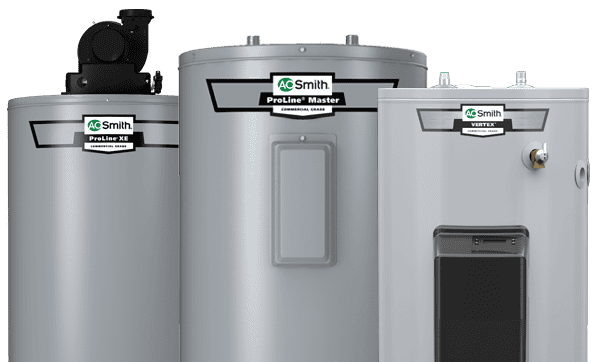
Storage tank models remain a popular choice in Canadian homes for several reasons.
- Lower initial purchase and installation cost
- Straightforward replacement for existing systems
- Reliable performance in all provinces and climate conditions
- High first-hour ratings that support families with predictable morning or evening routines
- Requires less modification to venting, gas lines, or electrical systems
- Familiar technology that most homeowners and service technicians understand well
Tank models are well suited for homes with consistent daily schedules and for homeowners looking for an economical replacement without major installation changes.
Benefits of Storage Tank Water Heaters
Storage tank models remain a popular choice in Canadian homes for several reasons.
- Lower initial purchase and installation cost
- Straightforward replacement for existing systems
- Reliable performance in all provinces and climate conditions
- High first-hour ratings that support families with predictable morning or evening routines
- Requires less modification to venting, gas lines, or electrical systems
- Familiar technology that most homeowners and service technicians understand well
Tank models are well suited for homes with consistent daily schedules and for homeowners looking for an economical replacement without major installation changes.
Benefits of Tankless Water Heaters
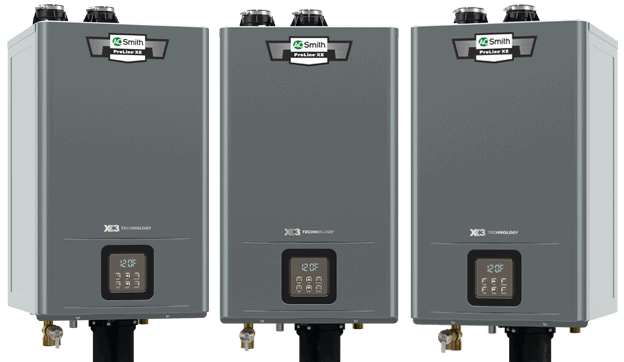
Tankless systems have become increasingly common across Canada, especially in newer homes, renovations, and space-constrained properties.
- Provides continuous hot water for as long as you need it
- Higher energy-efficiency and lower operating costs over time
- Compact, wall-mounted design frees up floor space
- Longer expected service life when maintained properly
- No risk of leaks associated with storage tank failures
- Ideal for small homes, condos, or mechanical rooms with limited space
When properly sized, tankless systems support multiple simultaneous uses, such as showers, laundry, and dishwashing.
Benefits of Tankless Water Heaters
Tankless systems have become increasingly common across Canada, especially in newer homes, renovations, and space-constrained properties.
- Provides continuous hot water for as long as you need it
- Higher energy-efficiency and lower operating costs over time
- Compact, wall-mounted design frees up floor space
- Longer expected service life when maintained properly
- No risk of leaks associated with storage tank failures
- Ideal for small homes, condos, or mechanical rooms with limited space
When properly sized, tankless systems support multiple simultaneous uses, such as showers, laundry, and dishwashing.
Understanding the Two Technologies
Storage Tank Water Heaters
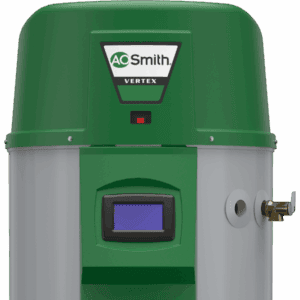
A storage tank system heats and stores a set amount of water, typically between 30 and 75 gallons. Hot water is always ready when you need it. As water is used, the tank refills and reheats a new supply. This is a familiar and reliable technology used in most Canadian homes.
Tankless (On-Demand) Water Heaters
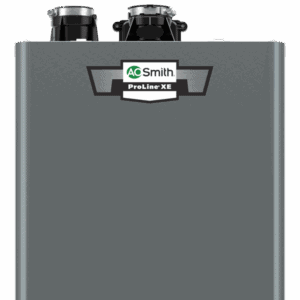
Tankless systems heat water only when you open a tap. There is no stored supply. Instead, the unit activates instantly and heats water as it passes through the heat exchanger. This provides continuous hot water for as long as the system is properly sized for the home.
Understanding the Two Technologies
Storage Tank Water Heaters
A storage tank system heats and stores a set amount of water, typically between 30 and 75 gallons. Hot water is always ready when you need it. As water is used, the tank refills and reheats a new supply. This is a familiar and reliable technology used in most Canadian homes.
Tankless (On-Demand) Water Heaters
Tankless systems heat water only when you open a tap. There is no stored supply. Instead, the unit activates instantly and heats water as it passes through the heat exchanger. This provides continuous hot water for as long as the system is properly sized for the home.
Performance in Canadian Climates
Climate plays an important role in choosing between tank and tankless systems.
Cold Weather Considerations
- Storage tank systems are less affected by cold ambient conditions and are often placed in cooler basements common in Canadian homes.
- Tankless units can require higher BTU capacity in provinces where incoming water temperatures are colder, such as the Prairies or Northern regions.
- Proper sizing and installation are essential for tankless performance in cold weather.
Water Quality
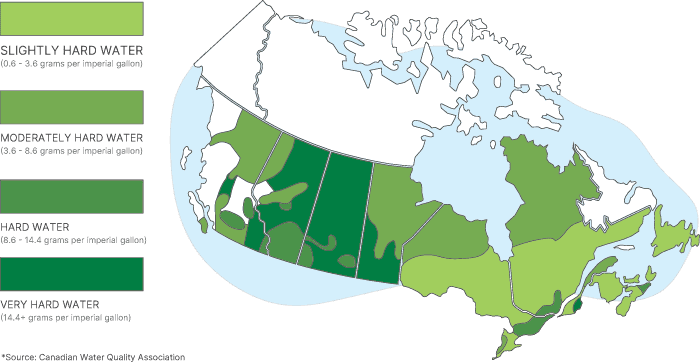
Many areas in Canada have hard water, particularly parts of Ontario, Alberta, and the Prairies. Hard water affects all water heaters, but tankless units may require more frequent descaling. Annual maintenance is recommended for both systems to maintain efficiency and longevity.
Performance in Canadian Climates
Climate plays an important role in choosing between tank and tankless systems.
Cold Weather Considerations
- Storage tank systems are less affected by cold ambient conditions and are often placed in cooler basements common in Canadian homes.
- Tankless units can require higher BTU capacity in provinces where incoming water temperatures are colder, such as the Prairies or Northern regions.
- Proper sizing and installation are essential for tankless performance in cold weather.
Water Quality
Many areas in Canada have hard water, particularly parts of Ontario, Alberta, and the Prairies. Hard water affects all water heaters, but tankless units may require more frequent descaling. Annual maintenance is recommended for both systems to maintain efficiency and longevity.
Installation Requirements
Storage Tank Installation
- Typically the simplest and quickest replacement option
- Often compatible with existing venting and connections
- Minimal changes required during upgrades or replacements
Tankless Installation
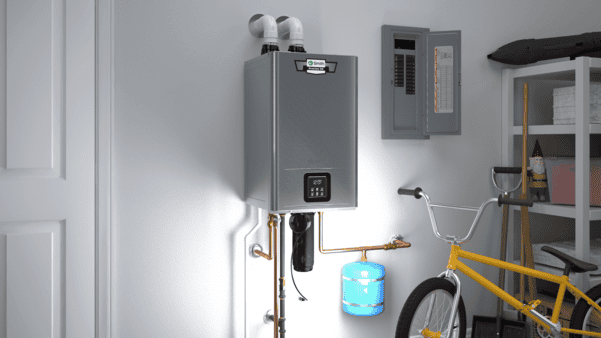
- May require upgraded gas lines, venting materials, or electrical circuits
- Often takes longer to install due to additional components
- Must be correctly sized to match the home’s hot water demand
- Best installed by a certified technician trained in tankless systems
A site visit from a qualified installer is recommended to determine whether a home is already suitable for tankless installation or if modifications are required.
Installation Requirements
Storage Tank Installation
- Typically the simplest and quickest replacement option
- Often compatible with existing venting and connections
- Minimal changes required during upgrades or replacements
Tankless Installation
- May require upgraded gas lines, venting materials, or electrical circuits
- Often takes longer to install due to additional components
- Must be correctly sized to match the home’s hot water demand
- Best installed by a certified technician trained in tankless systems
A site visit from a qualified installer is recommended to determine whether a home is already suitable for tankless installation or if modifications are required.
Energy Efficiency and Operating Costs
Storage Tank
- Uses energy to maintain hot water even when no one is using it
- Newer Canadian models have improved insulation and efficiency ratings
Tankless
- Heats only when needed, resulting in lower overall energy consumption
- Higher efficiency ratings can lead to long term savings, especially in larger households
Rebates and Incentives
Certain high-efficiency tankless and hybrid heat pump models may qualify for federal or provincial rebate programs, depending on the region. Homeowners should check local incentives before making a purchase decision.
Which System Is Best for You
Choose a Storage Tank If:
- You want a lower upfront cost
- Your home has older venting or electrical systems
- You prefer a simple, quick replacement
- Your family has a predictable daily routine
- You want dependable performance in any climate
Choose a Tankless System If:
- You want continuous hot water without running out
- You have limited space and prefer a compact design
- You plan to stay in your home long term
- You want to reduce energy consumption
- You are comfortable with a higher initial investment for long term savings
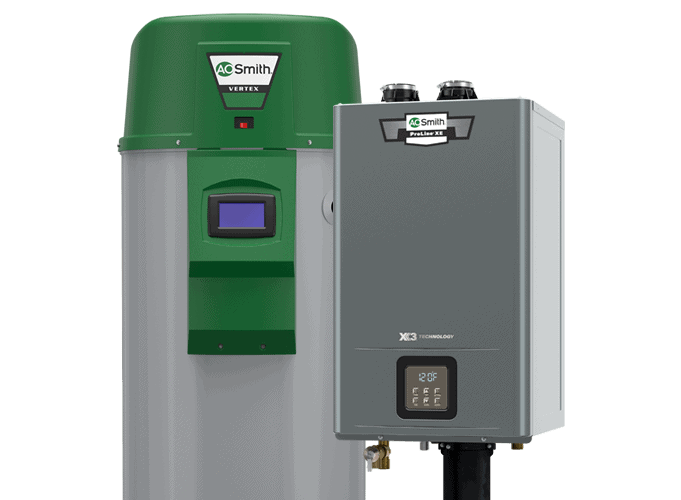
Which System Is Best for You
Choose a Storage Tank If:
- You want a lower upfront cost
- Your home has older venting or electrical systems
- You prefer a simple, quick replacement
- Your family has a predictable daily routine
- You want dependable performance in any climate
Choose a Tankless System If:
- You want continuous hot water without running out
- You have limited space and prefer a compact design
- You plan to stay in your home long term
- You want to reduce energy consumption
- You are comfortable with a higher initial investment for long term savings